Discover Bosa Kobe Hot Pot
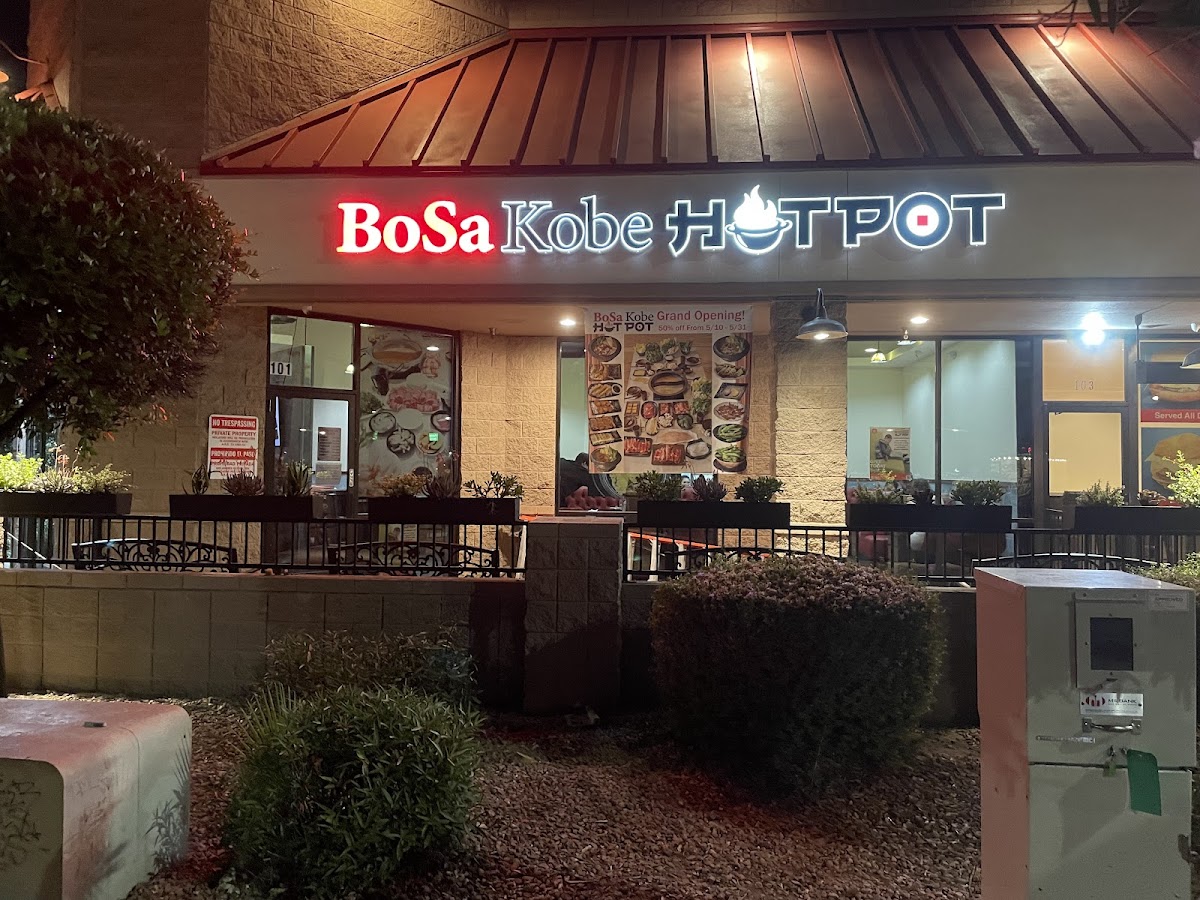
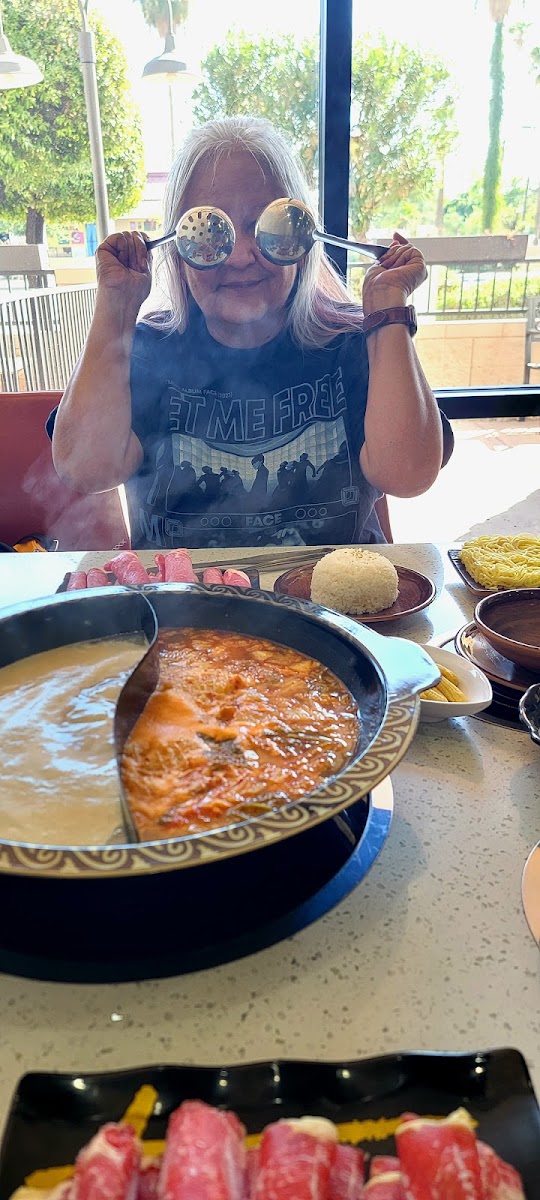
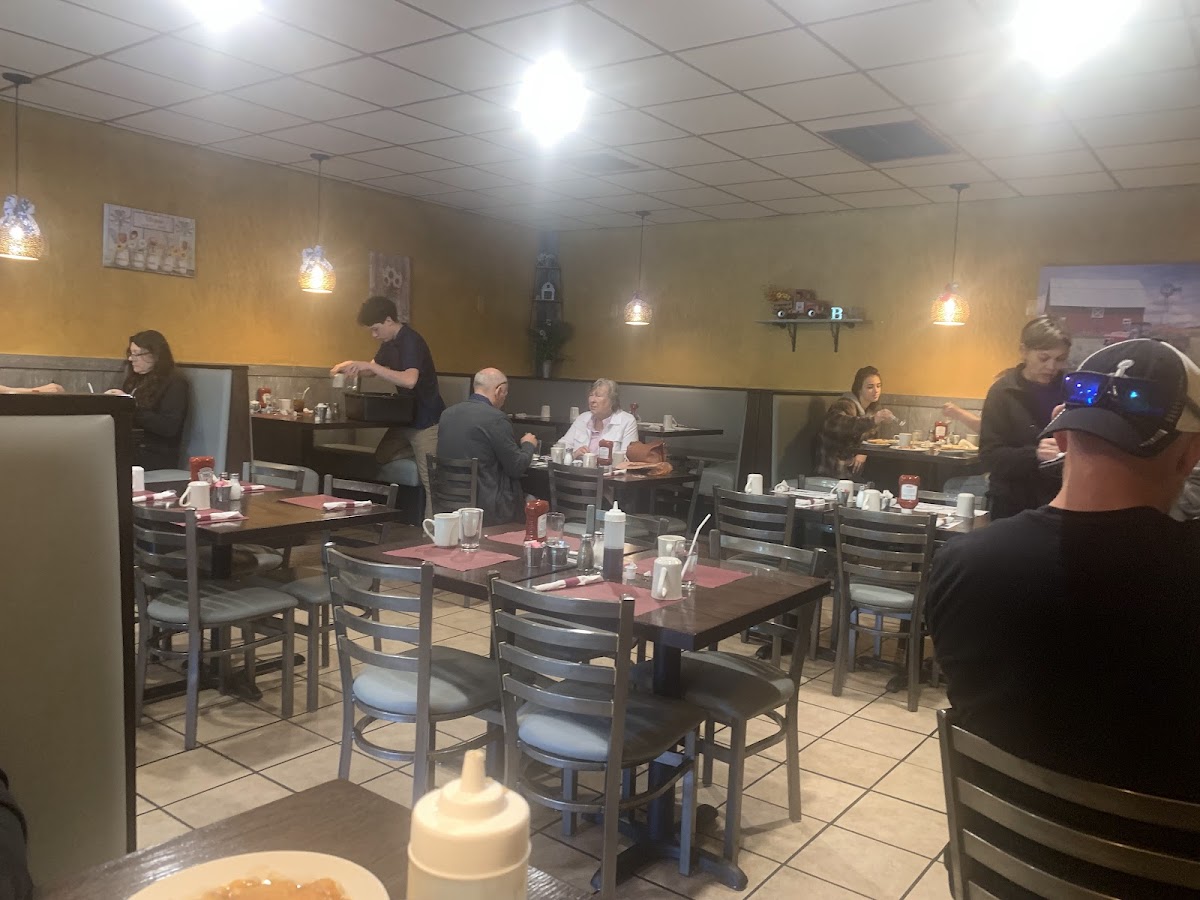
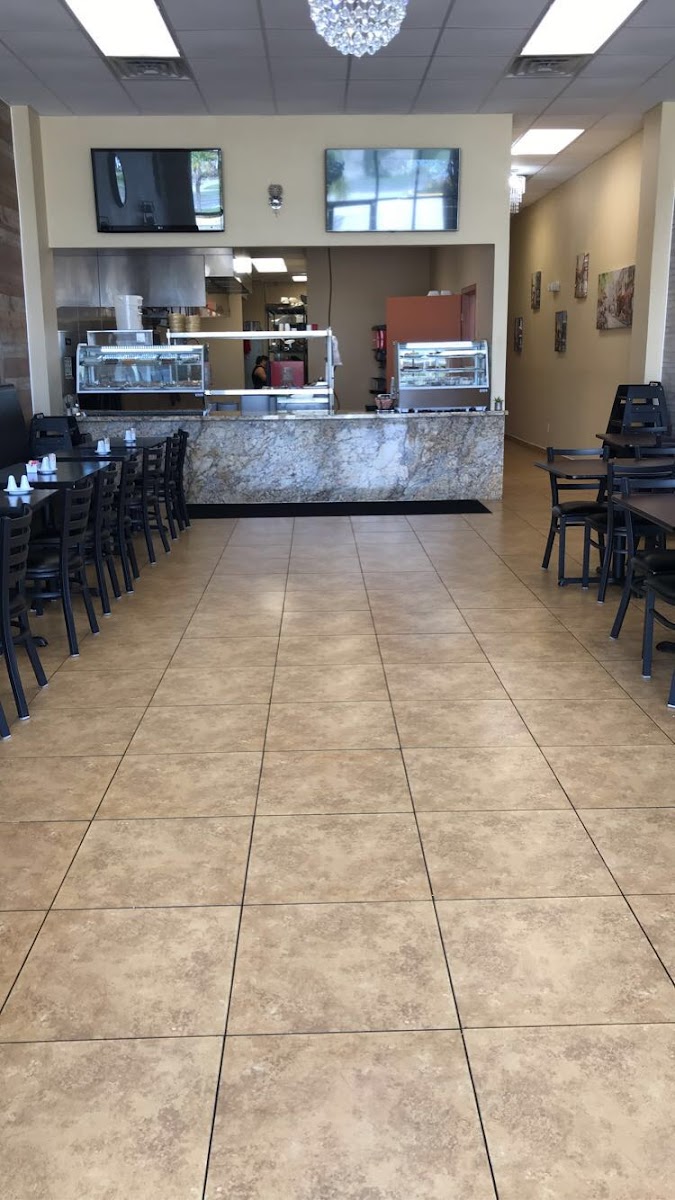
Walking into Bosa Kobe Hot Pot for the first time felt like stepping into a place where food is meant to be shared, explored, and remembered. I stopped by on a busy Friday night at 414 W University Dr #101, Tempe, AZ 85281, United States, and the energy was already buzzing. Groups of students, families, and couples leaned over steaming pots, laughing while building their own meals bite by bite. That hands-on experience is what hot pot culture is all about, and this spot captures it effortlessly.
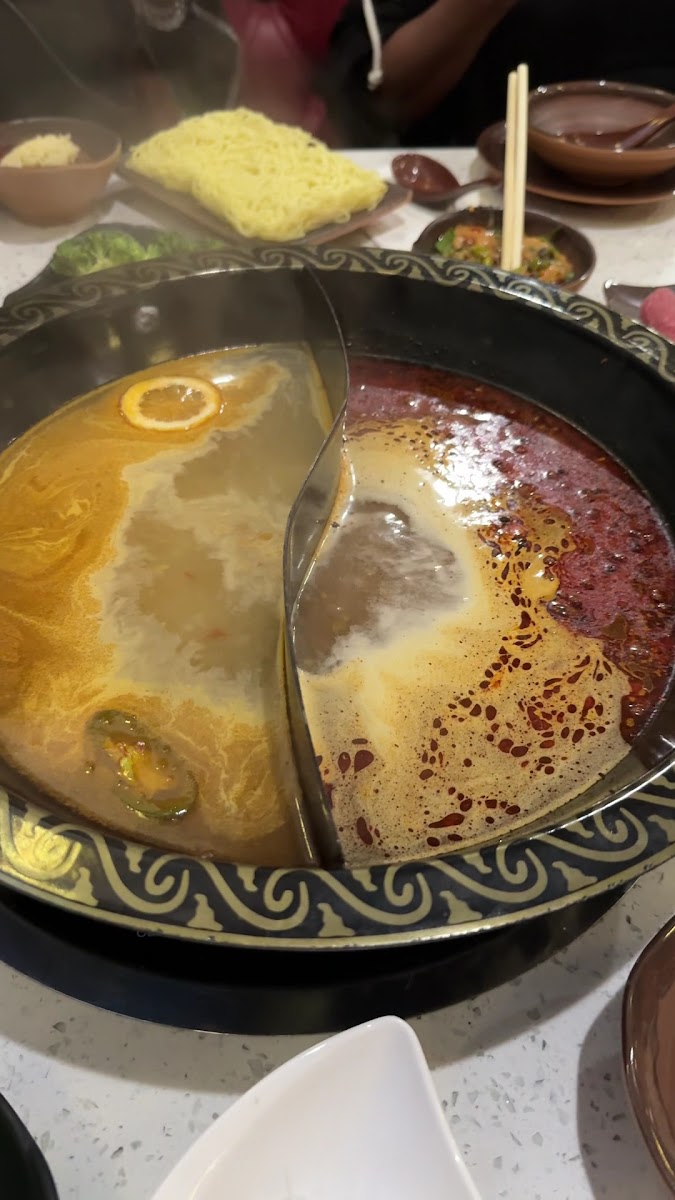
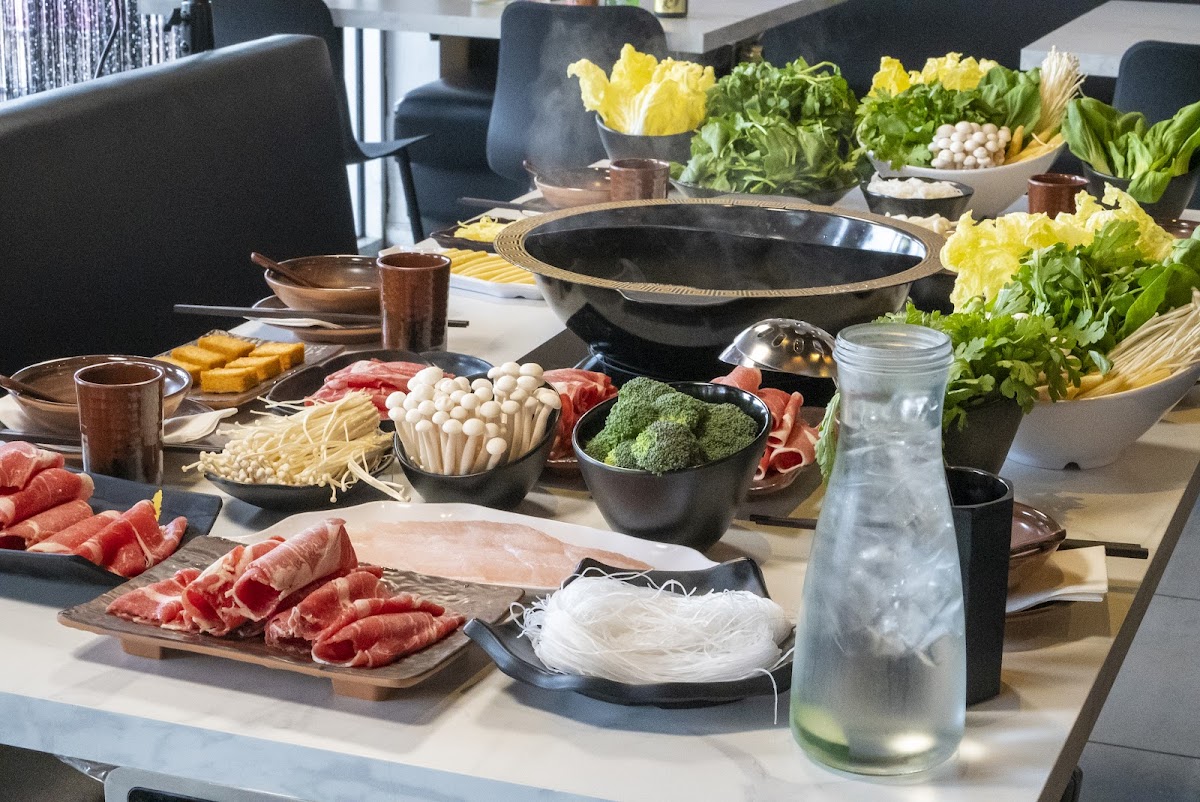
From a personal standpoint, I’ve eaten hot pot across California and parts of Asia, and the process here stays refreshingly authentic. You start by choosing your broth, which simmers right at the table. Options range from rich beef bone to lighter herbal blends, and the servers patiently explain how each base changes the overall flavor. According to data shared by the National Restaurant Association, interactive dining formats like hot pot have grown steadily in the U.S. over the past decade, largely because diners enjoy control over ingredients and pacing. That trend is easy to understand once you sit down here.
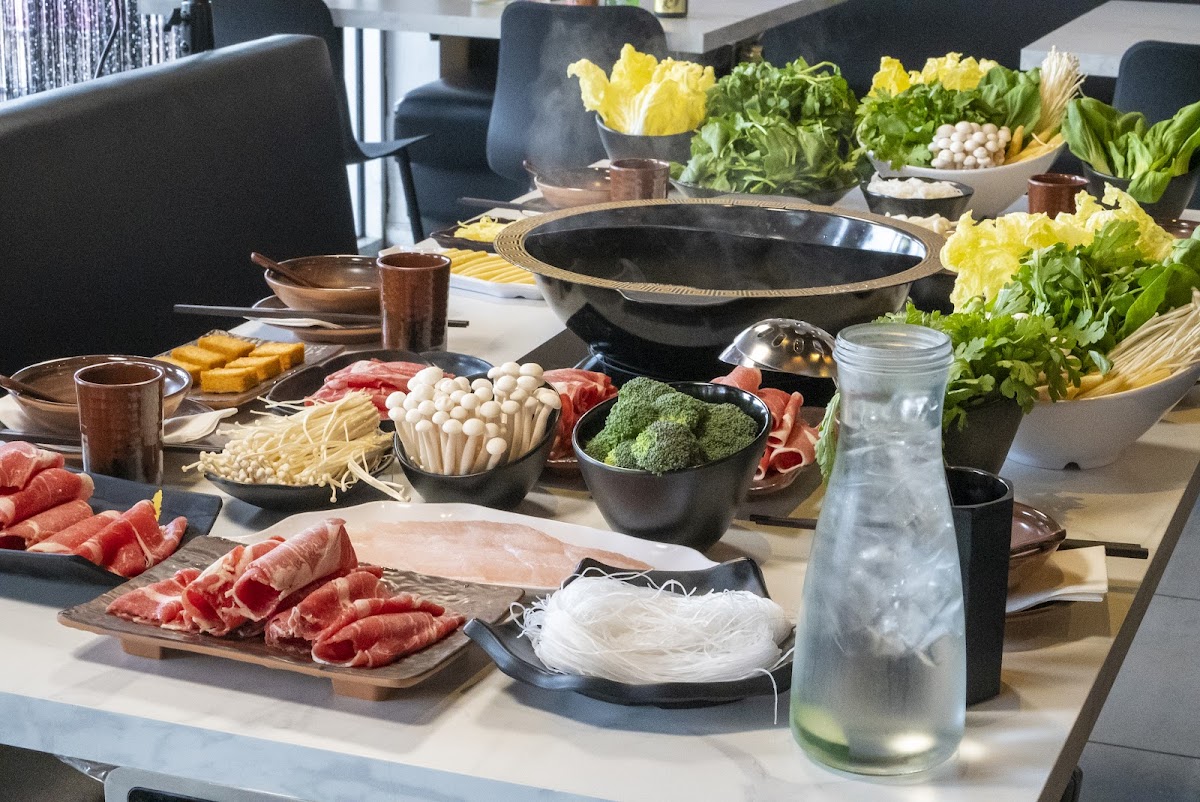
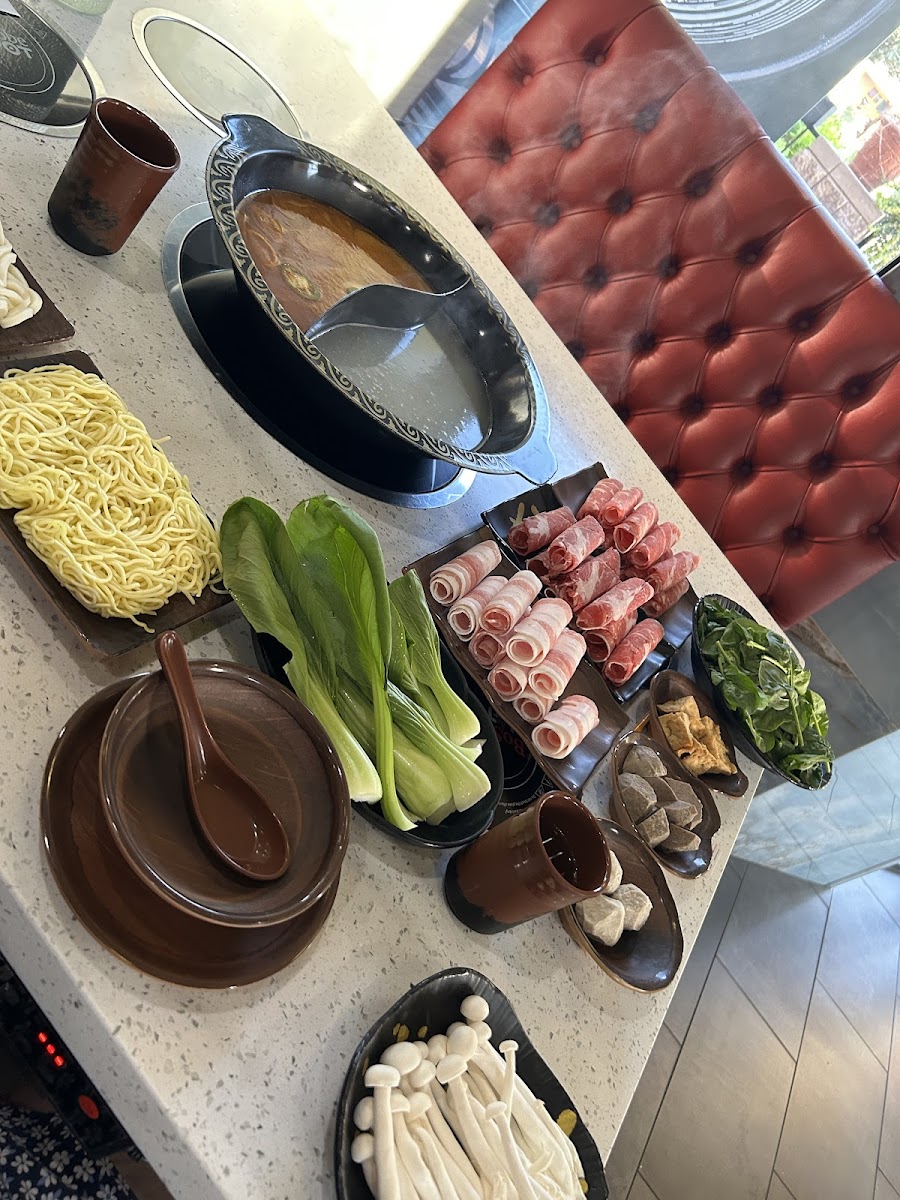
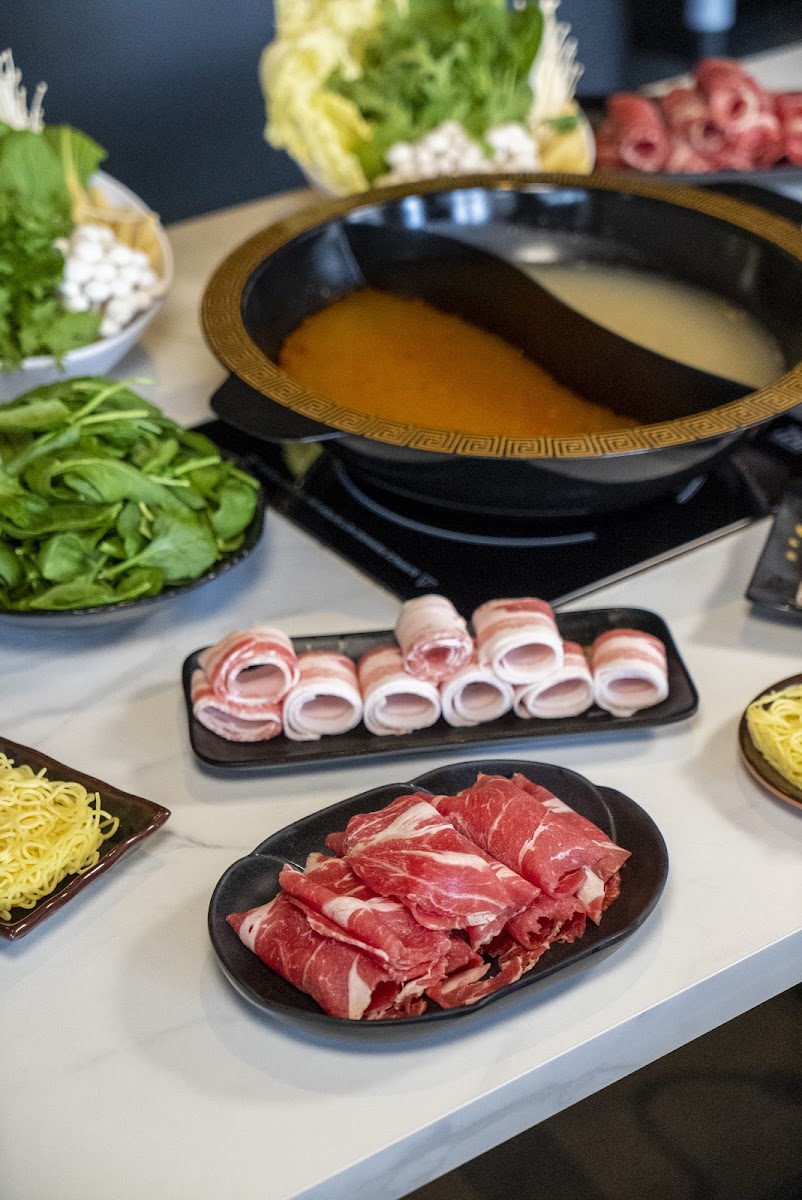
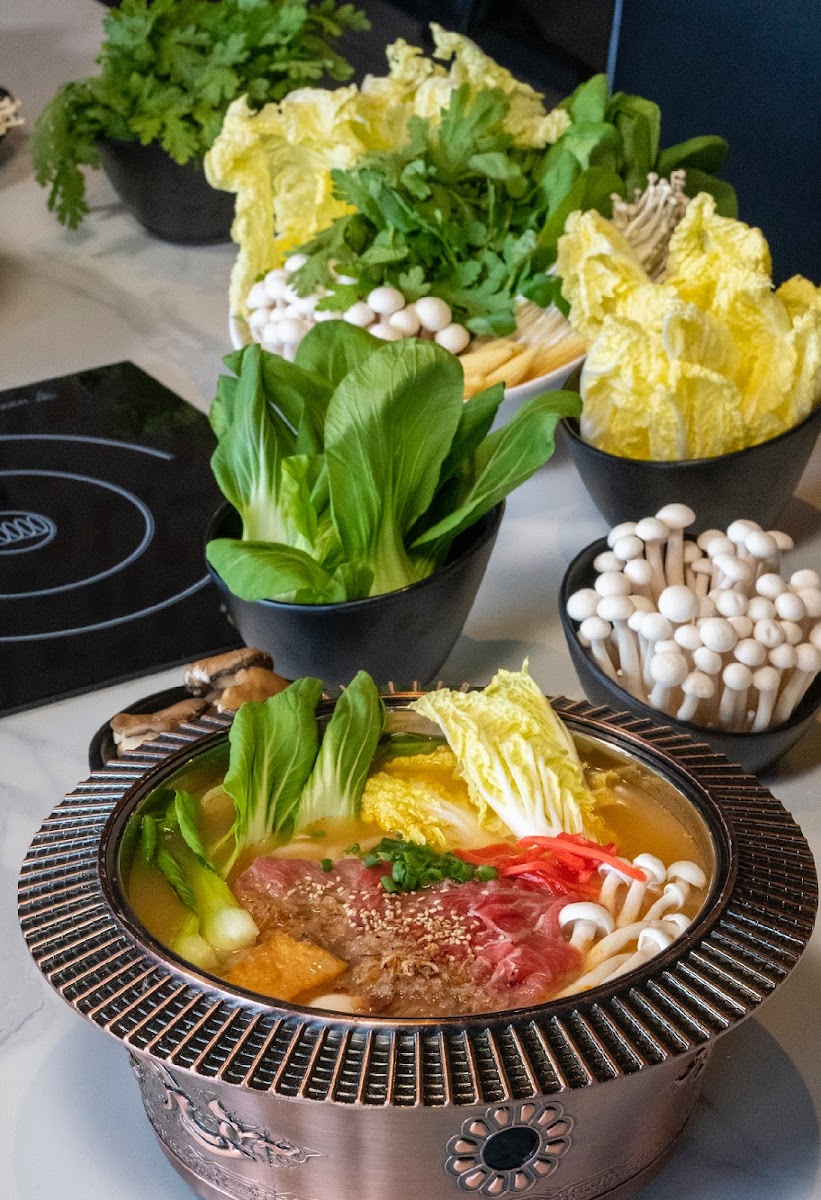
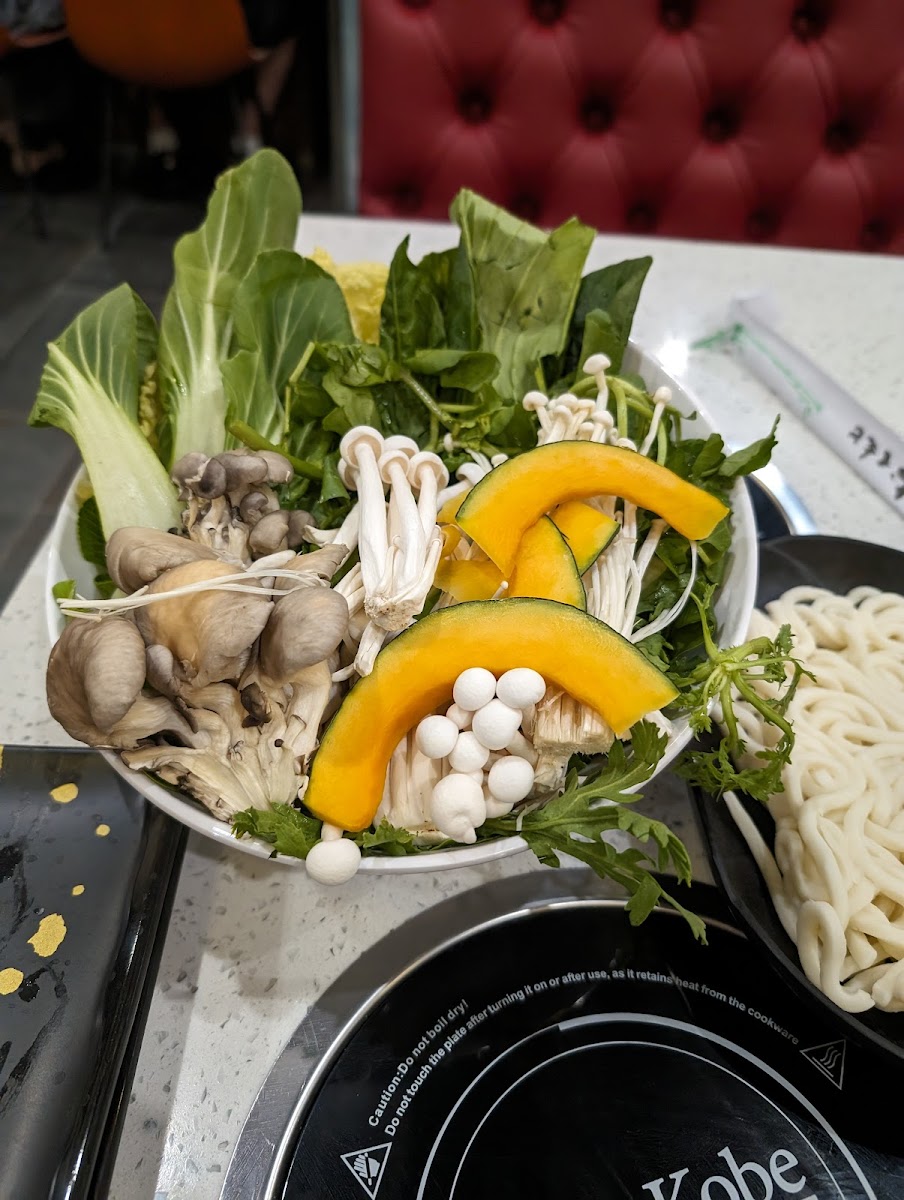
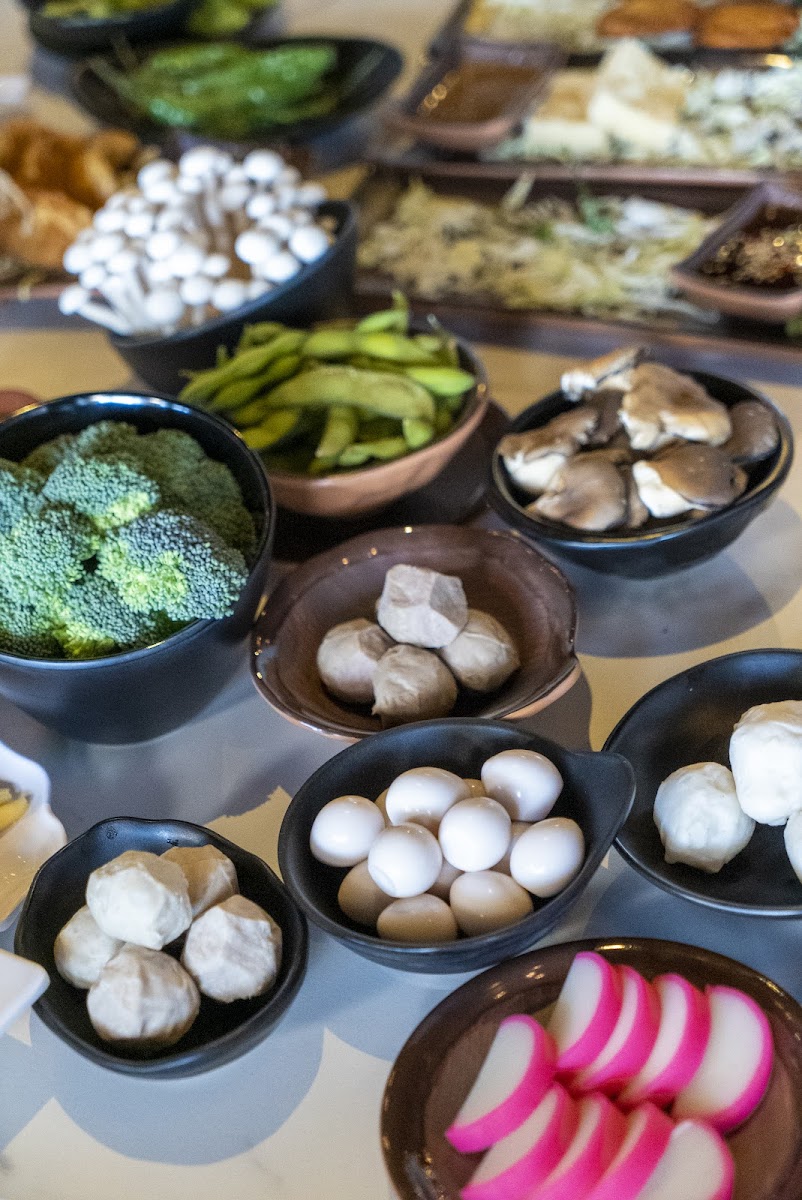
The menu reads like a checklist for anyone who loves variety. Thinly sliced Kobe-style beef is the star, marbled enough to cook in seconds and stay tender. I tested the method the staff recommended: a quick dip, two or three swirls, and straight into the sauce. The result was buttery and clean, not heavy. Seafood options like shrimp and fish balls balance the richness, while vegetables, noodles, and tofu round things out for anyone who prefers lighter bites. One friend at the table is vegetarian, and she had no trouble creating a full, satisfying meal just from the plant-based selections.
Sauce stations deserve special mention because they’re where personal taste really comes alive. There’s no single correct combination, but after some trial and error, I landed on a mix of sesame paste, garlic, chili oil, and scallions. A server mentioned that this approach mirrors how sauces are customized in traditional Chinese hot pot restaurants, where balance is key rather than overpowering heat. Food researchers from institutions like the Culinary Institute of America often point out that customizable condiments increase diner satisfaction, and this setup proves the point in real time.
What stands out beyond the food is consistency, something that comes up again and again in local reviews. Multiple visits showed the same quality of meat cuts, the same attentive service, and the same clean setup. That reliability builds trust, especially for a restaurant near a university where first-time guests rotate constantly. The staff clearly knows the process and steps in quickly if a broth needs adjusting or a burner runs low, which keeps the experience smooth even during peak hours.
There are a few limitations worth noting. If you’re new to hot pot, the menu can feel overwhelming at first, and weekends often mean a short wait. Still, those minor hurdles fade once the pot starts bubbling and everyone gets involved. The location makes it easy to reach, the pricing aligns with portion quality, and the atmosphere encourages lingering rather than rushing out.
Between the interactive cooking, the thoughtful menu design, and the steady stream of positive reviews from locals, this place earns its reputation naturally. It’s not just about eating; it’s about participating in the meal, learning as you go, and sharing something memorable at the table.